

Notes

When Parts of Self Talk Through the Body
If you live with chronic pain, recurrent migraines, unexplained fatigue, or symptoms that seem to flare without a clear medical cause, you’re not crazy or making it up. You might have thought, “My body is reacting, but I don’t know why.” It can feel strange, frustrating, or even scary when physical symptoms seem to correlate with stress, emotions, or old memories. Read on to see where somatic parts work, bottom‑up psychotherapy, and modalities like EMDR offer a powerful, efficient, and compassionate path forward. These approaches help you understand why your body reacts the way it does and how to transform medically unexplained symptoms.

Therapy Mythbusting: What Trauma Survivors in Pittsburgh and Memphis Need to Know
Many adults carry beliefs about therapy that didn’t come from nowhere, and these beliefs often served a purpose at one point in your life. They helped you stay safe or stay focused on getting through the day. But sometimes, those same beliefs become therapy myths that keep people from getting the mental health support they deserve. This blog is here to name those myths, normalize where they come from, and offer a clearer picture of what trauma therapy can actually look like.

Repairing Attachment Injuries in an Intensive Format
Many people find themselves repeating the same painful patterns in relationships, such as pulling away when they want closeness, clinging when they feel insecure, shutting down during conflict, or choosing partners who feel familiar but not safe. Even when you want something different, it can feel like your nervous system keeps pulling you back into the same loops. These patterns are often the result of attachment injuries that formed long before you had the tools or support to understand them. This blog explores what attachment injuries are, why they’re so hard to shift in traditional weekly therapy, and how therapy intensives create a powerful, focused space for deep relationship healing.

Mental Health Awareness Without Toxic Positivity
Mental health awareness has become bigger than ever. But for many adults, especially those navigating trauma, chronic stress, neurodiversity, or chronic emotional suppression, the messaging around mental health can sometimes feel off. You might see phrases like “just stay positive,” “good vibes only,” or “choose happiness,” and instead of feeling supported, you feel dismissed, frustrated, or even more alone. While positivity absolutely has a place in healing, it’s not always helpful, and sometimes it can unintentionally invalidate the very real emotional experiences people are carrying. This blog explores what toxic positivity is, why it can be harmful, and what genuine, trauma‑informed care looks like.
Why Talk Therapy Isn’t Always Enough
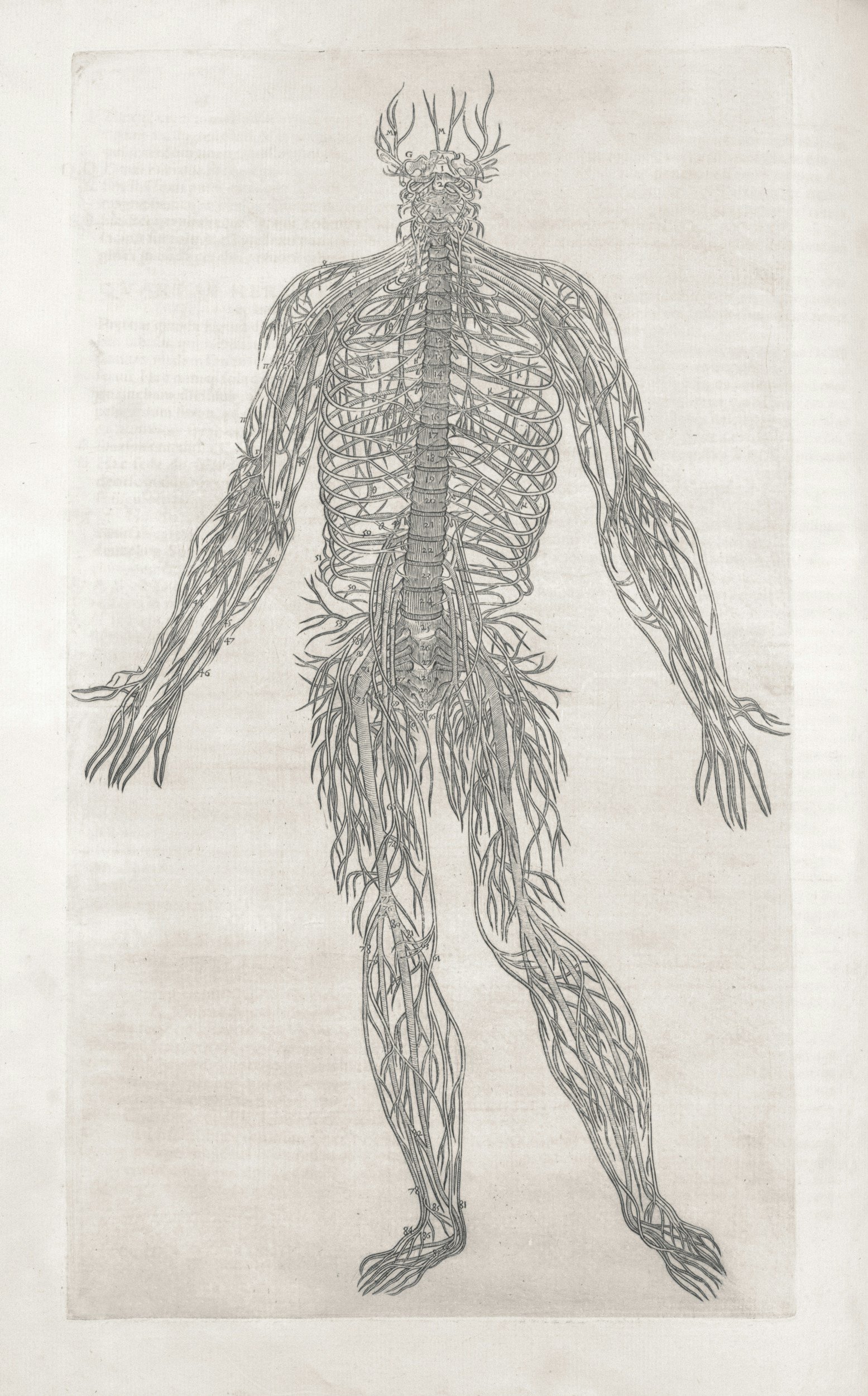
Many people come to therapy, gain insight, understand their patterns, and still feel stuck. You can know why you react the way you do and still feel unable to change the reaction. You can understand your trauma story and still feel your body tighten, shut down, or go numb. You can talk about your goals every week and still feel like the same patterns keep pulling you back. This may not be due to a lack of effort; it may be a sign that your healing may need to include more than the thinking brain. Read more to learn about nervous system healing.

What does chronic stress do to the body?
Chronic stress has become so common that many people barely register it anymore.If you feel overwhelmed, burned out, or constantly on edge, it may not mean you’re “too sensitive” or doing something wrong. Often, it may mean your body has been working hard to protect you for a long time. Many stress symptoms are best understood as nervous system adaptations, which are automatic survival responses that make sense in the context of ongoing pressure. In this post, we’ll look at what chronic stress does to the body over time, how stress and the nervous system are connected, and how therapy for stress can support nervous system regulation and burnout recovery.

Are therapy intensives worth the investment?
Investing in your mental health is one of the most meaningful decisions you can make. Many wonder whether a therapy intensive is “worth it,” whether the cost makes sense, or whether they should just stick with weekly therapy instead. If you’re feeling unsure, you’re not alone. A therapy intensive is a significant emotional and financial investment, and it’s okay to take your time, gather information, and check in with your nervous system before making a decision. This post will help you understand what you’re actually investing in, why therapy intensives can be deeply cost‑effective, and how to discern whether this path aligns with your healing goals.

What Happens If You Get Overwhelmed in an EMDR Intensive?
If you’re considering therapy intensives, especially an EMDR-focused trauma therapy intensive, it makes complete sense to wonder, “What if it’s too much?” The idea of doing deep trauma processing for several hours a day (or across a few consecutive days) can bring up an understandable fear. Here’s the reassuring truth: a well-designed EMDR intensive is not about pushing you past your limits. It’s built around trauma-informed therapy principles: safety, choice, collaboration, and careful pacing. Trauma-informed EMDR therapists anticipate emotional intensity and actively support nervous system regulation throughout the process. Read on to learn how the structure of an intensive is intentionally set up to help you do meaningful work without getting lost in it.

When Perfectionism Is Really a Trauma Survival Strategy
If you’ve been described as “high‑achieving,” “driven,” or “hard on yourself,” you may also know the quieter side of perfectionism: the constant pressure to do better, the fear of making mistakes, and the exhaustion that comes from never quite feeling “enough.” For many adults, especially those navigating high‑functioning anxiety, perfectionism can feel like both a strength and a burden. This post discusses perfectionism as a trauma response and how therapy assists with releasing this pattern.