Chronic stress has become so common that many people barely register it anymore. Tense shoulders, a tight jaw, trouble sleeping, and a constant feeling of being behind can start to feel like “just life”… especially when you’re juggling work, family, relationships, health, and the everyday demands of the world around you.
If you feel overwhelmed, burned out, or constantly on edge, it doesn’t mean you’re “too sensitive” or doing something wrong. Often, it means your body has been working hard to protect you for a long time. Many stress symptoms are best understood as nervous system adaptations, which are automatic survival responses that make sense in the context of ongoing pressure. In this post, we’ll look at what chronic stress does to the body over time, how stress and the nervous system are connected, and how therapy for stress can support nervous system regulation and burnout recovery.
TL;DR
Chronic stress keeps your body’s threat-response system activated, which can lead to fatigue, sleep issues, digestive problems, headaches, muscle tension, and mood changes.
Many symptoms are stress and the nervous system at work—protective adaptations, not personal weaknesses.
Over time, constant stress can contribute to burnout, emotional numbness, irritability, anxiety, and feeling disconnected from your body.
Therapy for stress can help you build nervous system regulation skills, process what your body has been carrying, and develop healthier coping strategies.
If you’re in Pittsburgh or Memphis (or elsewhere in Pennsylvania or Tennessee) and feel stuck, support is available and recovery is possible.
How Chronic Stress Affects the Nervous System
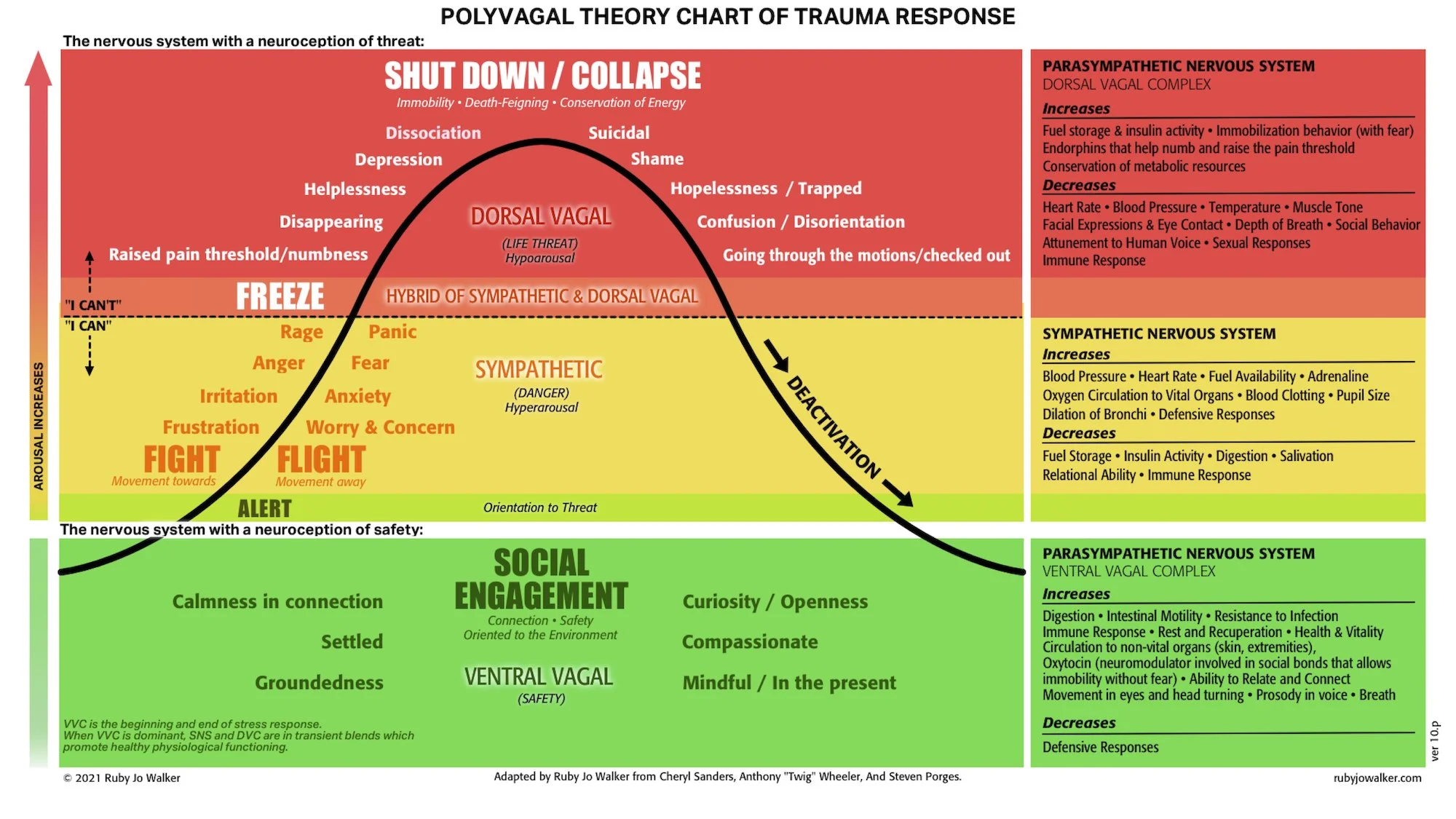
Your nervous system is designed to keep you alive. When your brain senses a threat, such as an angry email, a financial worry, a conflict at home, a scary news headline, it sends signals through the body to help you respond. This is often called the fight-or-flight response (and it can also include freeze or shutdown). In the short term, it’s incredibly useful: stress hormones like cortisol and adrenaline rise, your heart rate increases, your muscles tense, and your attention narrows so you can act quickly.
The problem isn’t that your body responds to stress; it’s that chronic stress asks your body to stay in that survival mode for too long. When stress is constant (high workload, caregiving, relationship strain, trauma history, discrimination, ongoing uncertainty, health issues), the nervous system can become dysregulated. Instead of a smooth rhythm of activation and recovery, your body may get stuck in “go-go-go” mode, or swing between feeling wired and feeling depleted.
In simple terms, the sympathetic nervous system helps you mobilize (focus, act, push through), while the parasympathetic nervous system supports rest, digestion, and repair. With healthy stress cycles, you move between these states as needed. With chronic stress, your system may have trouble shifting gears, so your body stays braced even when you want to relax. You might notice it as an inability to “turn your brain off,” or the sense that you’re always waiting for something else to go wrong.
Many therapists describe this in terms of your “window of tolerance”: the zone where you can feel stress, think clearly, and respond with flexibility. Under chronic stress, that window can narrow. Small stressors can feel huge, and recovery takes longer. Again, this isn’t a character flaw. It’s stress and the nervous system doing exactly what it was built to do: adapt to keep you functioning in difficult conditions.
Physical Symptoms of Chronic Stress
Because your nervous system influences nearly every system in your body, chronic stress can show up in a wide range of physical symptoms. Some people notice it immediately; others don’t connect the dots until months (or years) later. If you’re experiencing any of the symptoms below, it can be helpful to view them through a compassionate lens: these are often signs that your body has been working overtime to cope.
Sleep changes: difficulty falling asleep, waking in the night, waking up exhausted, stress dreams.
Muscle tension and pain: tight neck/shoulders, jaw clenching, headaches, back pain, pelvic floor tension.
Digestive issues: nausea, stomach pain, acid reflux, changes in appetite, IBS-like symptoms, constipation or diarrhea.
Energy and fatigue shifts: feeling tired but wired, crashing in the afternoon, needing caffeine to function, feeling “heavy” or depleted.
Immune and inflammation changes: getting sick more often, slower recovery, flare-ups of chronic conditions.
Heart and breathing symptoms: racing heart, shallow breathing, chest tightness, feeling short of breath during stress.
Skin and sensory changes: acne flare-ups, eczema/psoriasis irritation, feeling jumpy or easily startled.
It’s important to talk with a medical provider about any ongoing or concerning symptoms. At the same time, many people feel relieved when they realize that stress can impact sleep, digestion, pain, and energy. These patterns can be the body’s way of signaling, “I’m carrying too much for too long!!” Your system may be prioritizing short-term survival (staying alert, getting through the day) over long-term repair (deep rest, digestion, recovery). That tradeoff is a normal response to chronic stress, despite the long-term ramifications.
Here are a few everyday ways chronic stress can show up, often so quietly that you may not recognize it as stress at first:
You finally sit down at night, but your body feels restless – scrolling, snacking, or staying busy because stillness feels uncomfortable.
You’re productive at work, yet you feel on edge in meetings, reread messages repeatedly, or assume you’ve done something wrong.
You notice Sunday dread or a surge of anxiety before the week starts, even if you like your job.
You push through the day and then crash – spacing out, feeling numb, or having no energy for relationships or hobbies.
You feel irritable in traffic or during errands and then judge yourself for it, without realizing your nervous system has been running hot for weeks.
You struggle with digestive issues during busy seasons or after conflict, even when you’re eating “normally.”
You feel like you can’t fully exhale, whether you’re navigating winter pressures in Pittsburgh or the nonstop pace of summer schedules in Memphis.
Chronic stress can also shape your emotional world. You might feel anxious, quick to anger, tearful, or emotionally flat. You may have a hard time making decisions, remembering things, or feeling motivated. Over time, this can look like burnout: reduced capacity, lowered creativity, less patience, and the sense that even small tasks take enormous effort. Burnout isn’t laziness; it’s a nervous system that hasn’t had enough true recovery.
How Therapy Helps Repattern Chronic Stress
When you’ve been under chronic stress for a long time, the goal isn’t to “think positively” your way out of it. The goal is to help your body and mind learn that it’s safer to shift out of survival mode. That’s where therapy for stress can be especially supportive: it offers a steady space to understand your patterns, build skills for nervous system regulation, and gently recover from burnout.
1) Therapy supports nervous system regulation (not just symptom management)
In therapy, you can learn to notice the early signs of stress activation. Perhapstightness in your chest, racing thoughts, irritability, numbness. Then to practice ways to come back toward balance. Depending on your needs, this might include grounding skills, gentle body-based practices, pacing, stress-recovery routines, or tools to widen your window of tolerance. The point isn’t to force relaxation; it’s to help your system regain flexibility so you can respond to stress without getting stuck in it.
2) Therapy builds emotional awareness and self-trust

Chronic stress can make it hard to know what you feel. Some people live in a constant hum of anxiety; others feel disconnected or “checked out.” Therapy can help you slow down enough to identify emotions, body sensations, and needs without judgment. Over time, this increases self-trust: you get better at recognizing what overwhelms you, what supports you, and what boundaries you may need at work, at home, and in relationships.
3) Therapy helps you shift coping strategies from survival to sustainability
Many common coping strategies such as overworking, perfectionism, people-pleasing, procrastination, numbing with screens or substances make sense when your nervous system is trying to reduce threat. Therapy doesn’t shame these patterns; it helps you understand what they’ve been doing for you, and then build alternatives that work long-term. That can include boundary-setting, assertive communication, problem-solving, values-based decision making, and creating realistic rest that actually restores you.
4) Therapy supports recovery by addressing what keeps the stress cycle going
Sometimes the stress response is tied to a specific chapter of life: a job that never slows down, a caregiving role, a painful relationship dynamic, a loss, or a history of trauma. Sometimes it’s connected to long-term realities like financial strain or feeling unsafe in certain environments. Therapy can help you name these factors clearly and choose practical next steps while also making space for the emotions your body may have been holding. Whether you’re seeking support in Pennsylvania (including Pittsburgh) or Tennessee (including Memphis), working with a therapist can provide consistency and accountability as you practice burnout recovery in real life.
Most importantly, therapy meets you where you are. Some sessions may focus on immediate stress relief; others may explore deeper patterns or experiences. Progress often looks like small, meaningful shifts: sleeping a little better, recovering faster after hard days, feeling less reactive, noticing your needs sooner, or experiencing more moments of calm. Those changes add up, and they’re strong signs of improved nervous system regulation.
Ready for a new pattern of responding to stress?
If you’ve been living with chronic stress for so long that it feels normal, you’re not alone, and you don’t have to keep white-knuckling your way through it. Support can help your body come out of survival mode and move toward steadier energy, clearer emotions, and more sustainable coping. If you’re looking for therapy for stress in Pennsylvania or Tennessee, consider reaching out.
With the right support, burnout recovery is possible – and stress and the nervous system can shift toward regulation, resilience, and relief.)

About the Author
Chelsea Adams, LPC is a licensed therapist with over 8 years of experience supporting clients in their mental wellness. She specializes in attachment & relational trauma and race-based traumatic stress. She uses a model of evidence-based approaches such as EMDR, Somatic Internal Family Systems, Psychodynamic Psychotherapy, and therapy intensives to help clients connect to their own wisdom, voice, and power. Chelsea is committed to providing compassionate, expert care online for clients across Pennsylvania.