Why Talk Therapy Isn’t Always Enough

Many people come to therapy, gain insight, understand their patterns, and still feel stuck. If this is you, you may not be doing anything wrong. You may not be “resistant,” “broken,” or failing at therapy. You’re having a very human experience, one that many people in Pittsburgh and Memphis quietly struggle with.
You can know why you react the way you do and still feel unable to change the reaction. You can understand your trauma story and still feel your body tighten, shut down, or go numb. You can talk about your goals every week and still feel like the same patterns keep pulling you back.
This may not be due to a lack of effort; it may be a sign that your healing may need to include more than the thinking brain.
If you’re in Pennsylvania or Tennessee, especially around Pittsburgh or Memphis, you have options for trauma therapy that go beyond traditional talk therapy and support true, embodied change.
TLDR
Insight alone doesn’t always create change because trauma and emotional patterns often live in the body and nervous system, not just the mind.
Feeling stuck in therapy is extremely common and not a sign of failure.
Trauma can show up as reactivity, shutdown, looping thoughts, or feeling numb even when you “know better.”
Approaches like EMDR therapy and somatic therapy help access deeper layers of healing that talk therapy can’t always reach.
When Insight Isn’t Enough
Many adults begin therapy hoping that understanding themselves better will naturally lead to change. And often, insight is an important part of healing. But for many people, especially those carrying trauma, chronic stress, or long-standing emotional patterns, insight alone doesn’t shift the deeper layers of what’s happening inside.
You might be able to explain your triggers perfectly and still feel overwhelmed when they happen. You might understand your attachment patterns and still feel panic or shutdown in relationships. You might know your childhood shaped your reactions and still feel powerless to change them.
If you’ve ever walked out of a therapy session thinking, “I get it… and I need to get out of it” you’re not alone. This is one of the most common experiences people report when they seek trauma therapy or EMDR therapy after years of traditional talk therapy.
And it’s not because talk therapy is useless. Developing consciousness of your cognitive processes are helpful. It’s because talk therapy primarily works with one part of your system, the thinking brain, while trauma and emotional patterns often live somewhere else entirely.
Why Talk Therapy Isn’t Always Enough
Talk therapy is incredibly valuable for:
Understanding your story
Naming patterns
Building insight
Exploring emotions
Strengthening self-awareness
Developing language for your inner world
But talk therapy primarily engages the prefrontal cortex, the part of the brain responsible for logic, reflection, and meaning-making.
The challenge is that trauma, fear responses, and long-standing emotional patterns don’t originate in the thinking brain. They originate in the limbic system and the nervous system, which operate much faster and much deeper than conscious thought.
This is why you can:
Know you’re safe but still feel unsafe
Understand your partner’s intention but still feel triggered
Recognize a pattern but still repeat it
Tell yourself to calm down but still feel overwhelmed
Want to change but feel frozen or stuck
Talk therapy can help you understand what is happening. But understanding doesn’t automatically shift the body’s stored responses.
This is why so many people in Pittsburgh and Memphis say things like:
“I’ve been in therapy for years, but I still react the same way.”
“I know why I do this, but I can’t stop.”
“I can talk about my trauma, but I don’t feel any different.”
“I feel like I’m looping in insight without actually changing.”
This isn’t a lack of willpower. It’s a sign that deeper layers of the nervous system need support.
How Trauma Lives in the Body
Trauma isn’t just a story, it’s a physiological imprint.
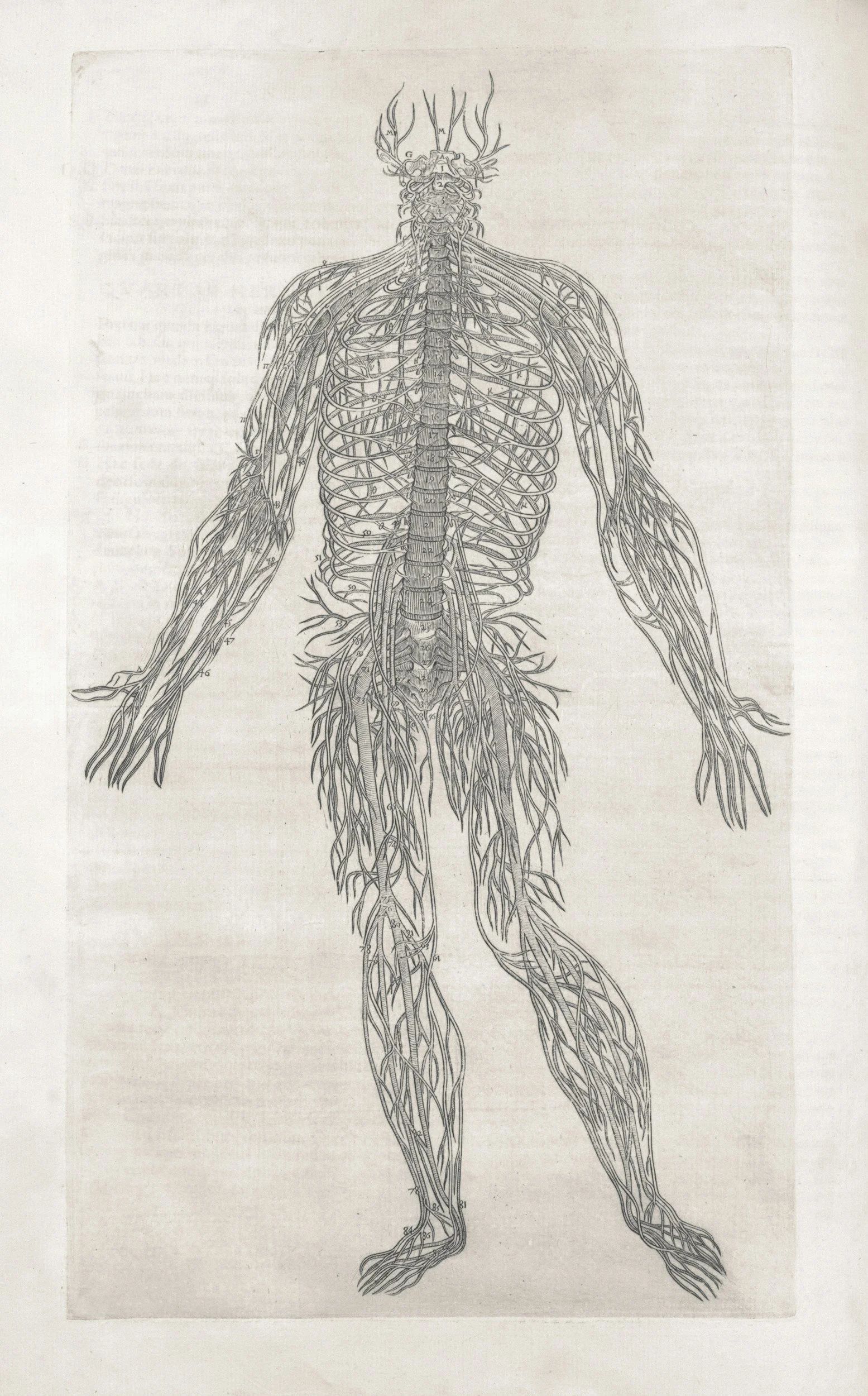
Even when you can talk about your experiences calmly, your body may still be holding:
Tension
Hypervigilance
Numbness
Shutdown
Emotional reactivity
Startle responses
Difficulty relaxing
Chronic anxiety
Feeling “on edge”
Feeling disconnected from yourself
This is because trauma is stored in the nervous system, not just the mind.
When something overwhelming happens, whether it be a single event or years of chronic stress, the body adapts to survive. These adaptations become automatic patterns that live in the muscles, breath, posture, and deeper brain structures.
Common signs trauma is living in the body include:
Feeling triggered even when you “know” you’re safe
Going numb or shutting down during conflict
Feeling stuck in freeze or collapse
Overthinking as a way to stay in control
Feeling disconnected from your emotions
Reacting more intensely than you want to
Feeling like your body is “ahead” of your mind
Knowing what you should do but feeling unable to do it
If you’ve ever said, “My body reacts before I can think,” you’re describing a nervous system response, not a personal flaw.
This is why trauma therapy often needs to include the body, not just the mind.
What Helps Beyond Talk Therapy
When insight isn’t enough, experiential and body-based therapies can help access the deeper layers where trauma and emotional patterns are stored. These approaches work directly with the nervous system, helping the body release what talking alone can’t reach.
Here are a few modalities that support deeper healing:
EMDR Therapy
EMDR therapy (Eye Movement Desensitization and Reprocessing) helps the brain process traumatic memories, stuck emotions, and old beliefs that keep you looping in the same patterns. It works with both the mind and the nervous system, helping you move from survival responses into more regulated, grounded states.
People often describe EMDR as:
“Finally feeling the shift I’ve been talking about for years.”
“My body feels different, not just my thoughts.”
“I can remember what happened without feeling overwhelmed.”
EMDR therapy is widely used in both Pittsburgh and Memphis for trauma therapy, anxiety, attachment wounds, and chronic stress.
Somatic Therapy
Somatic therapy focuses on the body’s sensations, patterns, and survival responses. It helps you:
Notice what your body is holding
Release tension and stored trauma
Build nervous system regulation
Develop a sense of safety from the inside out
Somatic therapy is especially helpful for people who:
Feel disconnected from their emotions
Experience chronic anxiety or shutdown
Have difficulty relaxing
Feel “stuck” in freeze or fawn responses
Why These Approaches Work
Experiential and body-based therapies help because they:
Access the deeper layers of the brain
Work with the nervous system directly
Support emotional processing beyond words
Help the body complete survival responses
Create lasting change rather than temporary insight
This is where deep healing becomes possible—not just understanding your patterns, but actually shifting them.
Explore Healing Beyond Talk Therapy
If you’re in Pittsburgh, PA or Memphis, TN and you’ve been feeling stuck in therapy, it doesn’t mean you’re doing anything wrong. It simply means your healing may need a different approach—one that includes your body, your nervous system, and the deeper layers of your emotional world.
Therapies like EMDR and somatic therapy can help you move beyond insight and into true transformation.
If you’re ready to explore trauma therapy that supports real, embodied change, you’re invited to reach out and explore whether these approaches might be right for you. You deserve healing that actually sticks!

About the Author
Chelsea Adams, LPC is a licensed therapist with over 8 years of experience supporting clients in their mental wellness. She specializes in attachment & relational trauma and race-based traumatic stress. She uses a model of evidence-based approaches such as EMDR, Somatic Internal Family Systems, Psychodynamic Psychotherapy, and therapy intensives to help clients connect to their own wisdom, voice, and power. Chelsea is committed to providing compassionate, expert care online for clients across Pennsylvania.